Article: Guide: What is the difference between LHT, RHT, and Broken Twill?

Guide: What is the difference between LHT, RHT, and Broken Twill?
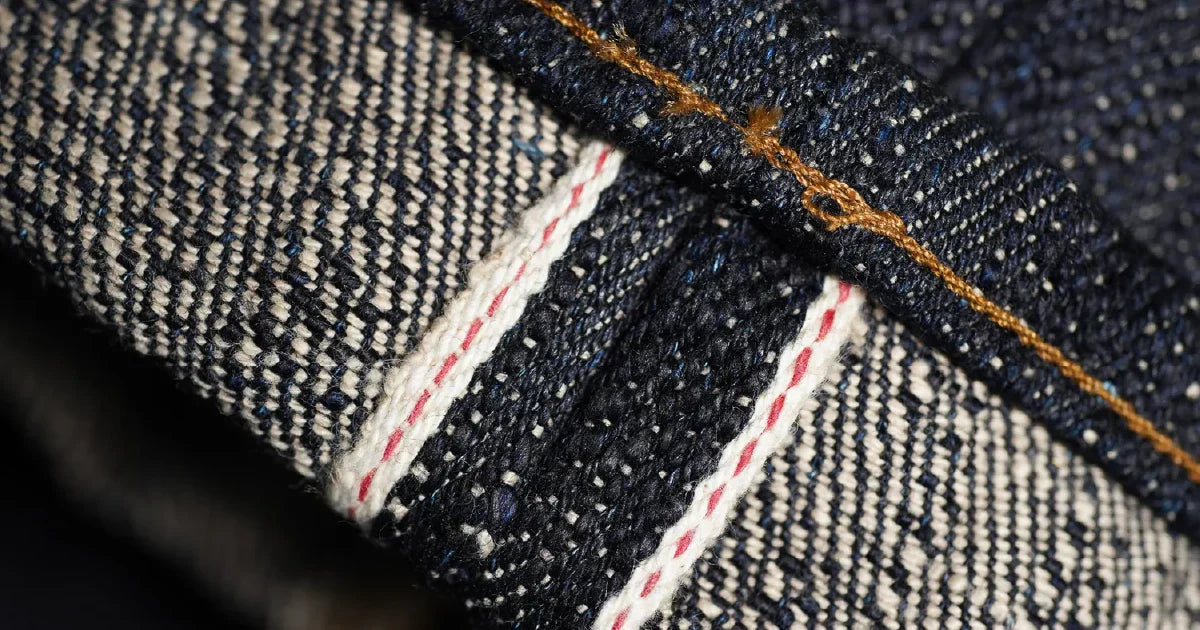
Jeans are made from woven cotton fabric, and there are many different weaving techniques used to create various aesthetics and qualities. In this post, we will explain the most common techniques for denim fabric: Right Hand Twill (RHT), Left Hand Twill (LHT), and Broken Twill.
Why is LHT softer than RHT?
Twill is a weaving technique that shifts the binding point for each weft thread. This creates a weave that appears to run diagonally. The direction of this diagonal line determines whether it is Right Hand Twill (RHT) or Left Hand Twill (LHT).
This method of weaving provides a natural elasticity in the fabric, even without the denim containing elastane or other stretch materials. A plain weave (like canvas) will "push back" against your movements to a greater extent. Twill is more flexible, offers better freedom of movement, and molds better to your body and movement patterns.
The Science Behind the Softness: Z-twist vs. S-twist
To understand why "left-woven" jeans feel softer, we have to look down at the fiber level. Most yarns used in denim are spun with a Z-twist (spun clockwise). The interaction between this twist and the weaving direction is what determines the fabric's character:
-
Right Hand Twill (RHT): This is the industry standard found on vintage Levi’s jeans. Here, the weaving direction follows the yarn’s twist (up toward the right), which tightens the fibers further during weaving. This creates a denser, stiffer, and more robust fabric. Perfect if you love the "cardboard feel" of raw denim and want high-contrast fades.
-
Left Hand Twill (LHT): Here, the weave diagonals up toward the left, a technique historically perfected by Lee. Since most yarns have a Z-twist, it means the fabric is woven against the direction the yarn is spun. This opens up the twist of the thread instead of tightening it. This is the secret to why LHT feels softer and breaks in faster. LHT is also known for producing "streaky fades" – vertical wear lines that provide a unique vintage look.
-
Broken Twill: Here, the diagonal line is systematically broken for each weft, giving the fabric a subtle zigzag pattern known as herringbone. This method was developed for Wrangler in 1964 to neutralize tension in the weave and stop "leg twist" – when the pant leg twists around the calf. Broken Twill is often experienced as a middle ground: more stable than LHT, but more flexible and comfortable than RHT.
Play with Variety
For those of us who enjoy a bit of variety, it can be fun to experiment with different weave types. Brands like Naked & Famous Denim love to challenge these traditions. Having pairs with different twills in your rotation is a great way to experience the differences in both comfort and how they fade over time.

Written by Inger Kristin Haugsevje